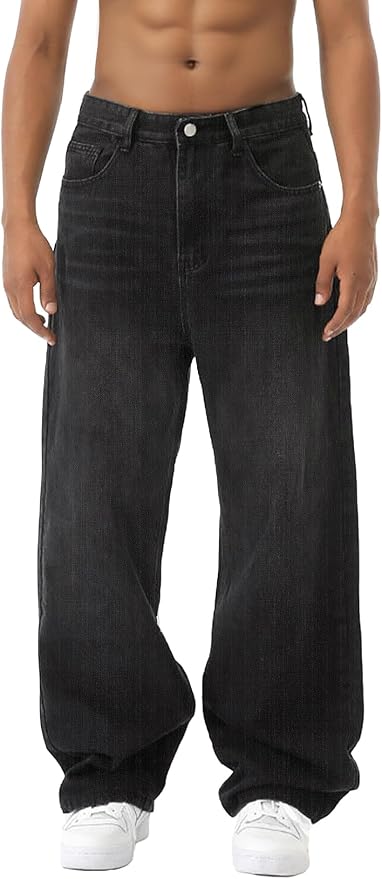
No, Empyre is not fast fashion. The brand emphasizes durability and longevity—you buy once and wear for years. Fast fashion brands prioritize cheap, disposable clothing; Empyre prioritizes quality that lasts. That said, Empyre is “affordable streetwear,” which sits somewhere between fast fashion and premium brands.
What Is Fast Fashion?
Fast fashion is a business model focused on:
- Speed: New designs hit stores constantly (multiple times per season)
- Volume: Maximize quantity, not quality
- Disposability: Clothes are expected to fall apart quickly
- Trend-chasing: Follow every micro-trend
- Low cost: Minimal investment in materials or labor
Examples: H&M, Zara, Shein, Forever 21, ASOS
These brands expect you to replace items every 6 months to a year.
Is Empyre Fast Fashion? Breaking It Down
No. Here’s Why:
1. Consistency Over Trends Empyre’s core silhouettes (Loose Fit, Sk8, Blake) have existed for 15+ years. The brand isn’t constantly reinventing or chasing every trend:
- Same baggy shapes for decades
- Slow introduction of new styles
- Emphasis on timeless, not trendy
- People buy the same style repeatedly across years
Fast fashion: New designs every month
Empyre: Same core styles for 10+ years
Verdict: Empyre prioritizes consistency
2. Durability Design Empyre jeans are built to last, not disintegrate:
- Heavy-gauge denim (12–14 oz, vs. fast fashion’s 9–11 oz)
- Double-stitched seams at stress points
- Reinforced pockets and waistbands
- Durable button-fly construction
- Designed for skateboarding (brutal real-world use)
Fast fashion: Seams split after a few months
Empyre: 2–3+ years of regular wear
Verdict: Empyre built to last
3. Price Model Empyre is affordably priced ($45–$75) but not cheaply made:
- Not the lowest price possible
- Not sold at extreme discounts weekly
- Not clearance-focused business model
- Prices reflect material and construction quality
Fast fashion: $20–$40, with constant 70% off sales (marking up then slashing prices)
Empyre: $45–$75 consistently
Verdict: Fair pricing for quality
4. Production Philosophy Empyre designs for movement and longevity, not just aesthetics:
- Wide fit designed for skateboarding (functional)
- Heavy denim for durability (practical)
- Reinforced construction for wear (purpose-driven)
- Minimal aesthetic gimmicks (no unnecessary frills)
Fast fashion: Designed to look trendy in photos, fall apart in real life
Empyre: Designed for actual use and years of wear
Verdict: Function-first design
5. Brand Longevity Empyre has been around for 30 years and stayed true to its identity:
- Not constantly rebranding
- Not abandoning core customers
- Not chasing hype
- Gradual expansion (not explosive growth-at-all-costs)
Fast fashion: Business model depends on constant trend-chasing to stay relevant
Empyre: Niche but stable for 30 years
Verdict: Sustainable business model
Where Empyre Sits on the Fashion Spectrum
Fast Fashion ←——————— Empyre ——————→ Luxury
(H&M, Zara)        (Affordable)    ($300+ premium)
- Disposable        - Durable      - Premium positioning
- Trend-focused     - Consistent   - Hype-driven
- 9–11 oz denim    - 12–14 oz denim - 14–16+ oz denim
- Falls apart       - Lasts 2–3 years - Lasts 5–10+ years
- $20–$40          - $45–$75       - $150–$300+
Empyre = “Affordable Durable Streetwear”
It’s not fast fashion. It’s also not luxury. It’s thoughtfully priced quality.
Sustainability: Is Empyre Eco-Friendly?
This is where the conversation gets nuanced. Empyre isn’t marketed as eco-friendly, but the durability factor is more sustainable than fast fashion.
Empyre’s Sustainability Factors
✅ Positive:
- Longevity: Wearing one pair for 3 years = buying 3 fewer pairs (vs. fast fashion brands)
- No seasonal overhauls: You’re not encouraged to buy new jeans each season
- Heavy denim resists trends: Your jeans from 2020 still work in 2026
- Secondhand market: Empyre jeans hold up well enough to resell/donate
❌ Areas Not Addressed:
- Manufacturing origins: Not clearly communicated
- Labor practices: Not certified fair trade
- Water usage: Standard cotton denim manufacturing (water-intensive)
- Dye processes: Standard indigo dyeing (not eco-friendly)
- No sustainability marketing: Doesn’t position itself as green brand
The bottom line: Empyre isn’t claiming to be sustainable. But the built-to-last philosophy is inherently more sustainable than fast fashion’s disposable model.
Empyre vs. Fast Fashion Brands: Direct Comparison
| Factor | Fast Fashion | Empyre | Luxury Denim |
|---|---|---|---|
| Design Cycle | New styles monthly | Same styles for years | Timeless classics |
| Expected Lifespan | 6 months | 2–3+ years | 5–10+ years |
| Denim Weight | 9–11 oz (thin) | 12–14 oz (heavy) | 14–16+ oz |
| Seam Quality | Single-stitched | Double-stitched | Double+ reinforced |
| Price | $20–$40 | $45–$75 | $150–$300+ |
| Sustainability | Low (disposable) | Medium (durable) | High (lasts longest) |
| Trend-Dependent | Very | Very little | Very little |
Why Empyre Is Better Than Fast Fashion (For Most People)
If you’re deciding between Empyre and fast fashion brands:
Empyre wins because:
- Cost per wear is lower – If you wear Empyre jeans for 2 years vs. fast fashion for 6 months, Empyre is actually cheaper
- Environmental impact is lower – One durable pair > buying three disposable pairs
- Time savings – You’re not constantly hunting for new jeans
- Style consistency – You know what works, so you buy it again
- Quality feel – Heavy denim actually feels better on your body
The Real Question: Should You Buy Empyre?
Buy Empyre if: ✅ You want jeans that last multiple years
✅ You like baggy/skate styles
✅ You don’t chase every trend
✅ You appreciate value over hype
✅ You want authentic streetwear culture
Consider something else if: ❌ You want super cheap ($20 or less)
❌ You like variety and constantly trying new styles
❌ You want super slim or formal fits
❌ You prefer trendiest-of-the-moment looks
❌ You want luxury positioning for status
FAQ:
Q: Why does Empyre have lower prices than premium denim if it’s good quality?
A: Empyre skips the luxury brand markup, expensive celebrity endorsements, and artificial scarcity marketing. You pay for the product quality, not the branding hype.
Q: Do Empyre jeans follow fashion trends?
A: Minimally. The core baggy silhouettes have been consistent for 15+ years. Empyre introduced new styles slowly (Y2K ultra-wide, cargo pockets) but as extensions of the baggy philosophy, not departures from it.
Q: Is buying Empyre more sustainable than fast fashion?
A: Yes. Durability is sustainability. Wearing one pair for 3 years is better for the environment than buying three disposable pairs.
Q: How does Empyre stay profitable if the jeans last so long?
A: Through volume and repeat customers. People buy multiple colors. Skaters buy new pairs when they finally wear through them. The business model is sustainable longevity, not planned obsolescence.
Q: Are Empyre jeans as durable as premium denim brands?
A: Close, but not quite. Premium denim ($150+) uses slightly heavier fabric and premium construction. But for the price, Empyre’s durability is exceptional.
Q: Why would someone buy fast fashion instead of Empyre?
A: Budget ($20 vs. $45). Trend preferences (Empyre is baggy-focused). Fit preferences (Empyre isn’t slim or tapered). All valid reasons.
Conclusion:
Fast fashion = buy cheap, replace constantly, chase trends
Empyre = buy once, wear for years, stay consistent
Empyre isn’t luxury. It’s not trying to be. But it’s explicitly not fast fashion—it’s a counterargument to fast fashion’s disposability.
If you care about durability, value, and longevity, Empyre is the right choice.